
Kyiv · Historic Centre
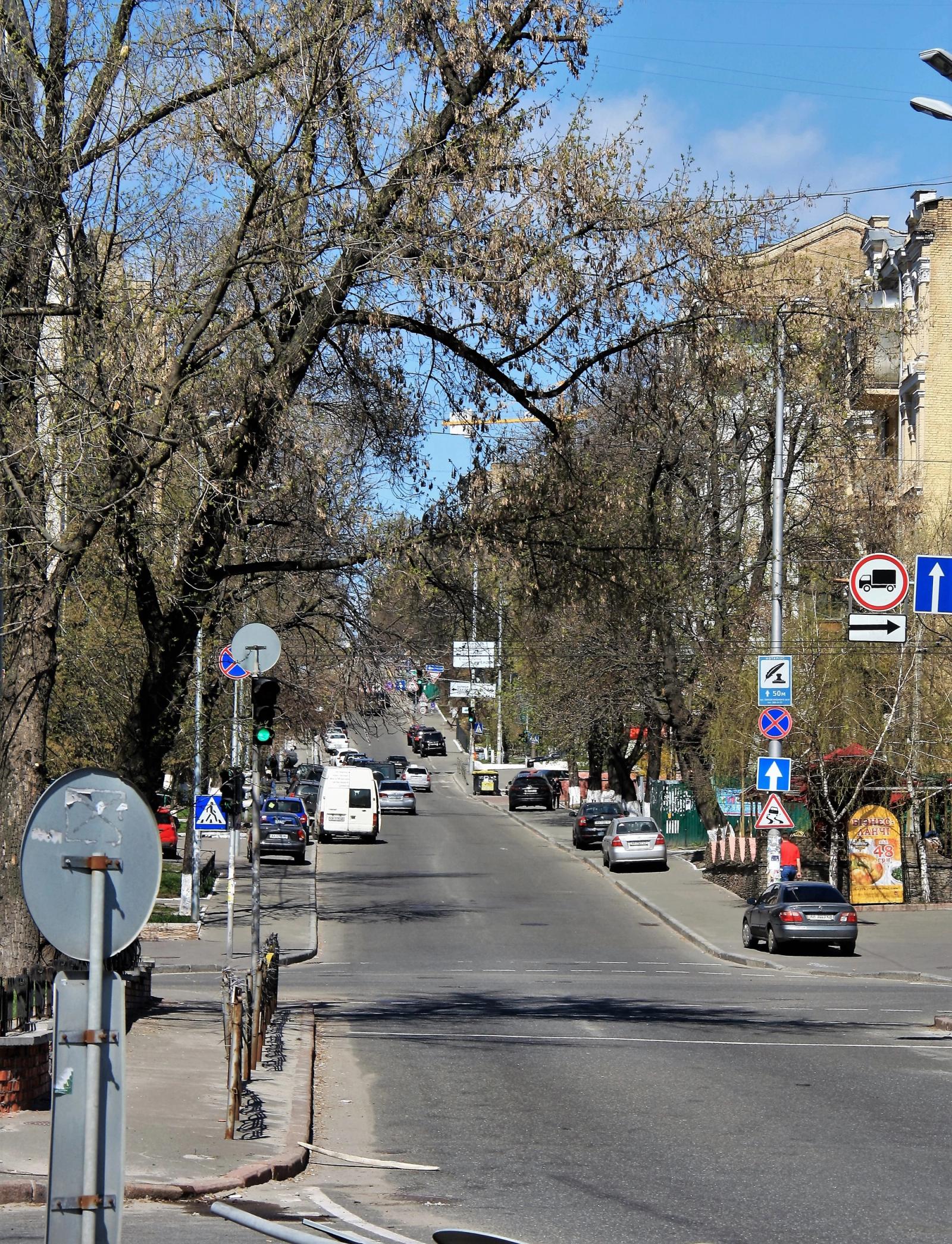
Tarasivska
History
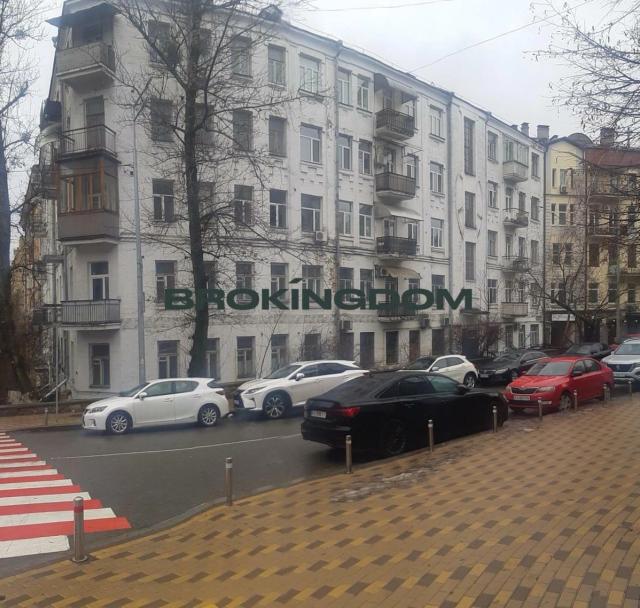
Tarasivska appeared under its current name in the 1830s as the area around Saint Volodymyr (now Taras Shevchenko) University was built up, originally running further south to the Lybid River before being shortened in the 1970s for industrial construction. Upgraded from third- to first-category city street in 1914. Its built fabric moved from low one-storey estate houses, now lost, to the multi-storey income houses that define it today — firmly tsarist and pre-war rather than Soviet. Architect Mykola Shekhonin designed the neo-Empire income house at 3-A and the Art Nouveau building at 6-A; the Kapler income house at 40/52 (1903) is one of Kyiv's finest neo-Renaissance facades. A rare surviving police-and-fire-station complex for the Lybid district stands at 4/4-A. Together with neighbouring Pankivska and Mykilsko-Botanichna, Tarasivska formed Pankivshchyna, nicknamed Kyiv's “Latin Quarter” for its density of professors, doctors and writers — residents included Volodymyr Vernadsky (No. 10), Lesya Ukrainka (No. 14), psychiatrist Ivan Sikorsky (No. 18) and Anna Akhmatova (No. 23-25).
Character
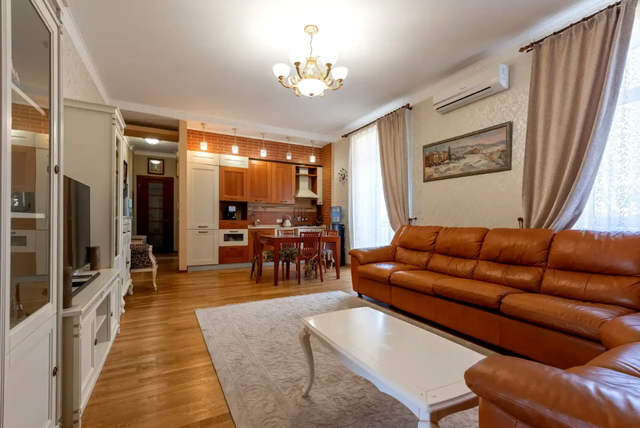
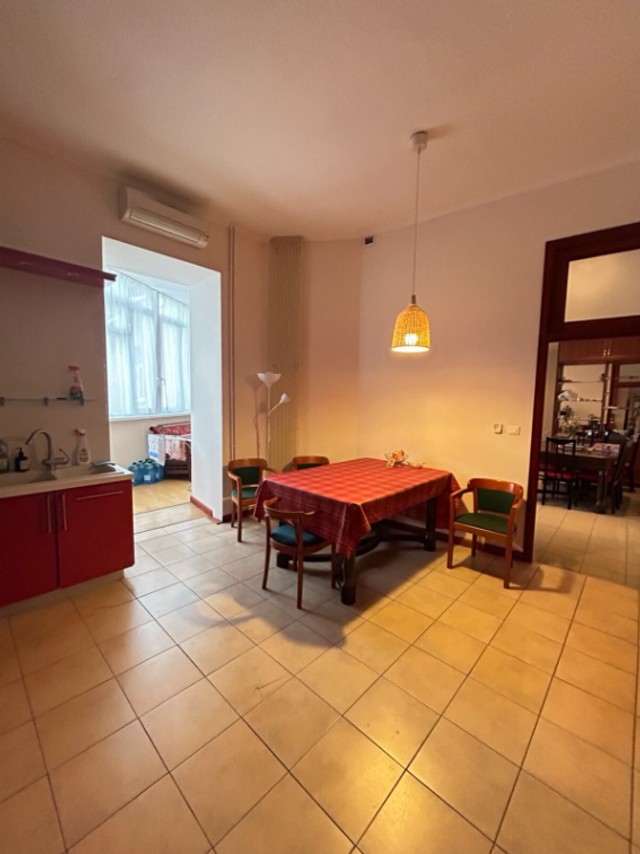
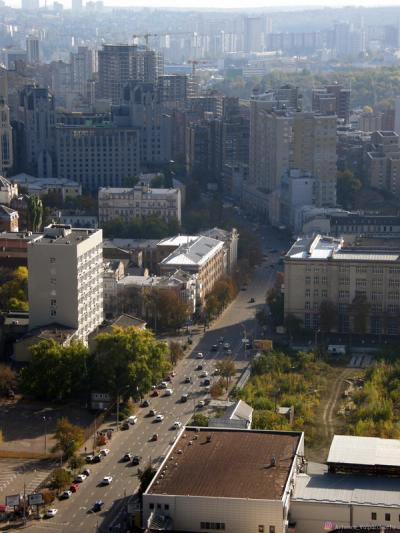
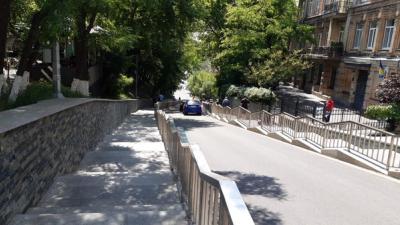
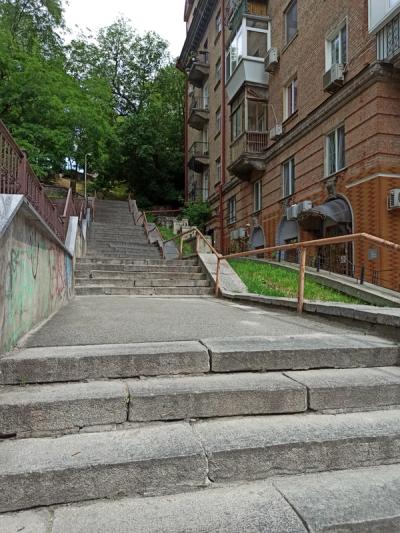
Real estate listings consistently sell Tarasivska as a “quiet street with a special Old Kyiv atmosphere” despite its central location — high ceilings, thick brick walls and restored pre-revolutionary interiors give it a stately but intimate feel. It sits within easy walking distance of the A.V. Fomin Botanical Garden and Taras Shevchenko Park, so the immediate environment feels unusually green for the centre. The resident mix runs from upper-middle-class buyers in club-style developments like the 17-unit Tarasovskiy Apartments at 9-V to long-term tenants in renovated tsarist buildings, plus academics and students tied to Taras Shevchenko University and the National University of Food Technologies at No. 5. Compared to the busy arterials Saksahanskoho and Zhylianska on either side — both carrying heavy through-traffic and more commercial frontage — Tarasivska behaves more like neighbouring Pankivska: narrow, tree-lined and quiet, with car flow limited and the soundscape mostly neighbours and children rather than constant traffic.
Landmarks
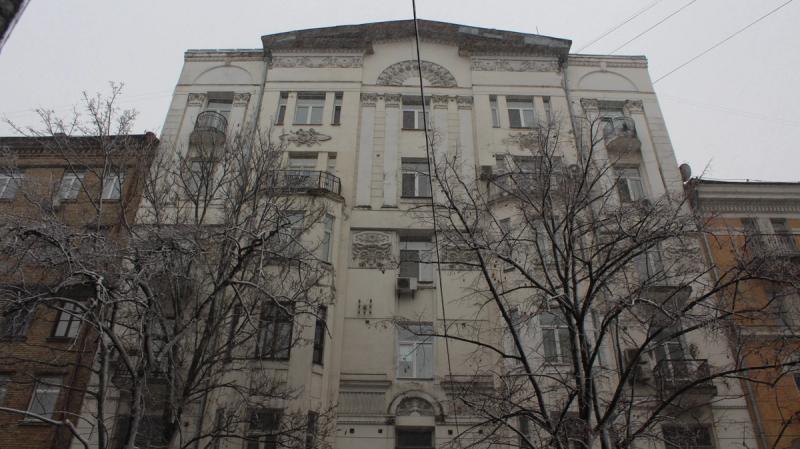
No. 3-A
Income House (Mykola Shekhonin)
A late-19th-century neo-Empire income house by architect Mykola Shekhonin, part of Kyiv's Art Nouveau architectural heritage. Carries a memorial plaque to poet Semen Hudzenko.
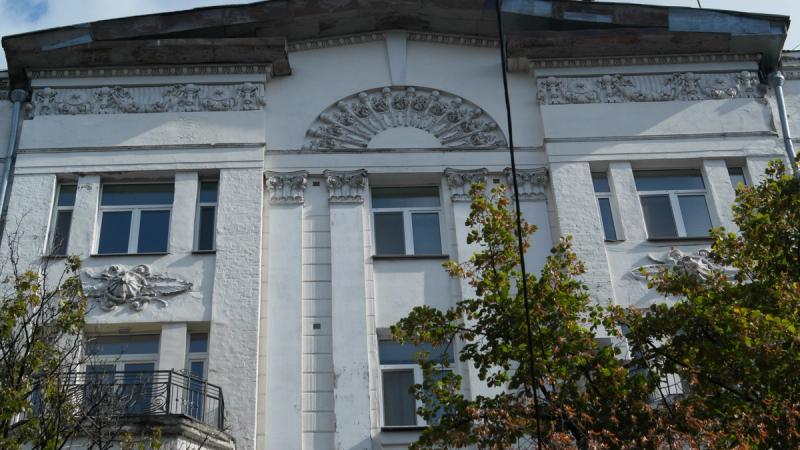
No. 4 / 4-A
Police and Fire Station Complex
The former police department and fire brigade for the Lybid district, a rare preserved civic-service ensemble, with a memorial plaque to firefighters killed in 2015.
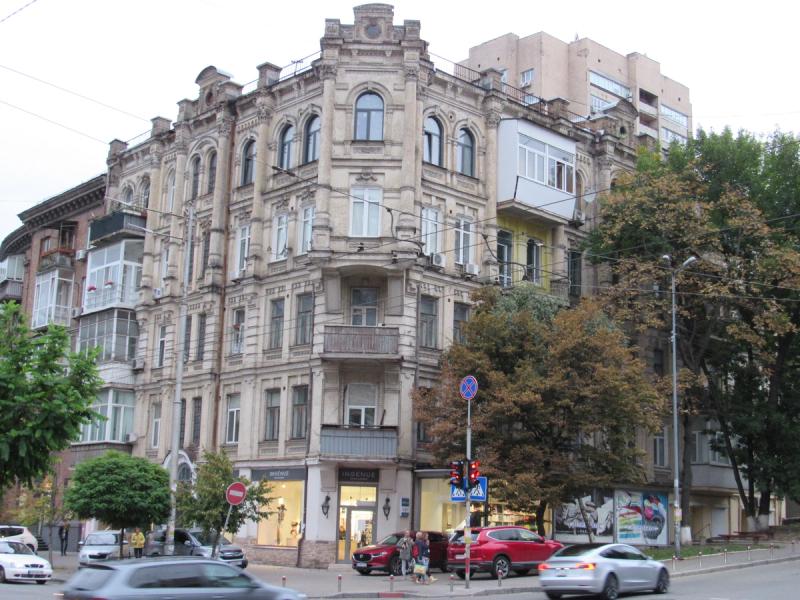
No. 40/52
Kapler Income House
A 1903 five-storey neo-Renaissance income house considered one of Kyiv's finest buildings in the style, with 3.7-metre ceilings and a quiet central courtyard.
No. 18
House of Ivan Sikorsky
Residence of psychiatrist Ivan Sikorsky, father of aviation pioneer Igor Sikorsky, part of the street's dense cluster of scientific and cultural residents.
No. 10
House of Volodymyr Vernadsky
Residence of Volodymyr Vernadsky, scientist and first president of the Ukrainian Academy of Sciences.
Sights & Places
Cafes
- Hemp Cafe
- Gorkiy Espresso Bar
- Brown Cup Coffee
- Koka Café
Bars
- Barduck Bar
Museums
- Historical and Memorial Museum of Mykhailo Hrushevsky
- Museum of Outstanding Figures of Ukrainian Culture
Parks
- A.V. Fomin Botanical Garden
- Taras Shevchenko Park
Why invest here
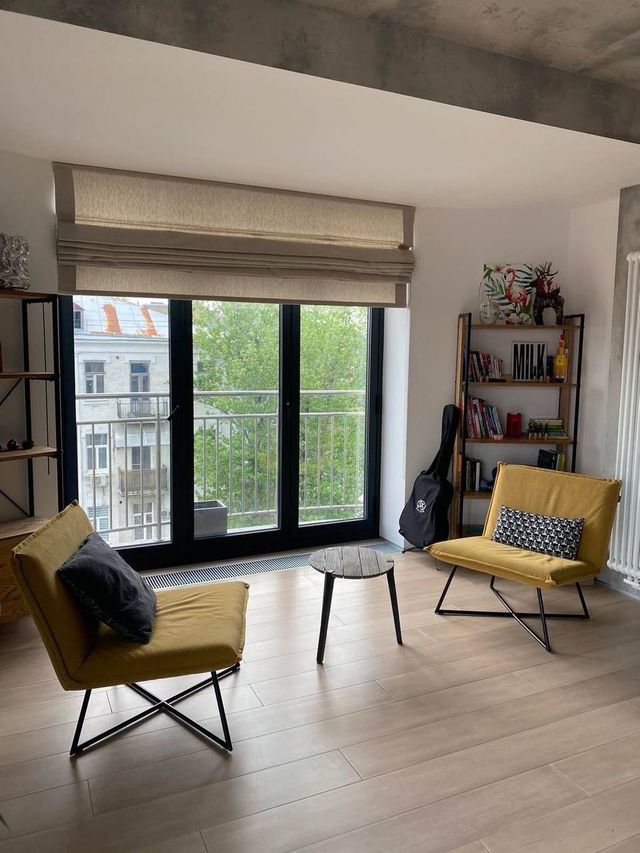
Listings for Tarasivska stress a combination genuinely rare in central Kyiv: pre-revolutionary brick architecture with high ceilings and Old Kyiv character, on a quiet side street without Khreshchatyk-style noise. Properties are marketed with language like “elite building with good neighbours” and “ideal for connoisseurs of the centre, space and status housing,” pointing to demand driven by charm plus status rather than just a central address. The street spans a spectrum from luxury (the guarded, 17-unit Tarasovskiy Apartments at 9-V) to premium renovated flats in traditional tsarist blocks, supporting healthy demand across price points within the upper segment. Multiple kindergartens and specialized school No. 92 make it attractive to families who also want green space nearby, while proximity to two major universities and central business districts draws academics, IT specialists and white-collar professionals. Wartime-relevant features — closed courtyards with automatic barriers, reliable power, bomb-shelter access — have become real differentiators, further boosting demand for a street that combines old fabric with upgraded infrastructure.
Related Streets
Interested in a property on this street?
We know which buildings on this street are worth owning, and which aren't. Tell us what you're looking for.
Get in touch