
Kyiv · Historic Centre
Kruhlouniversytetska
History
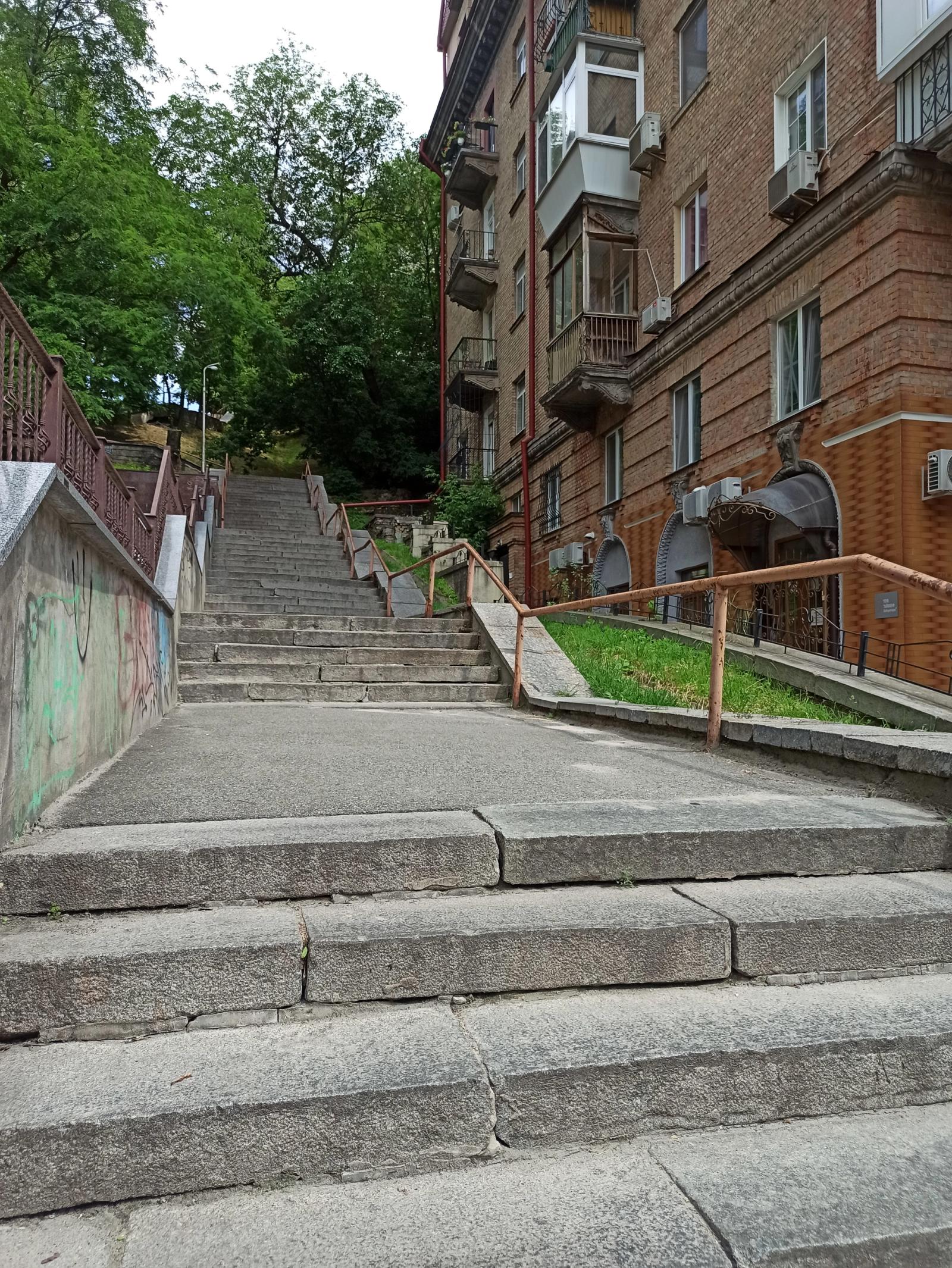
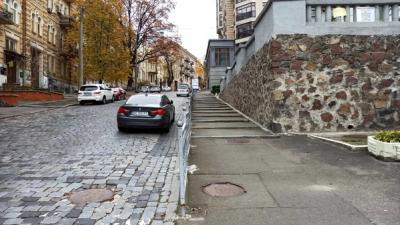
Kruhlouniversytetska was laid out in 1836-1837 on the north-western slope of the Lypky hill, engineered as the gentlest possible route linking the university's new Volodymyrska 60 building with its old Pechersk premises. Early documents called it Universytetskyi uzviz, then Universytetska Street; a city planning committee's description of its shape as “two semicircles” gave rise to the modern name, officially adopted in 1869. Building rules initially allowed only two-storey stone houses, with taller construction permitted after 1909. From the late 1870s, architects Volodymyr Nikolaiev, Adolf Hecker and Volodymyr Sichugov built the stone income houses and villas that still define the street. A tram line ran here from 1905 to 1938. Until 1917 the cabaret-music hall “Buff” stood at the lower end; in the 1920s a post-constructivist residential block for militsia staff, the “Militseika,” went up at No. 2/1, designed by Pavlo Savich. Houses No. 7, 12 and 16 (built 1892-93) are listed architectural monuments.
Character
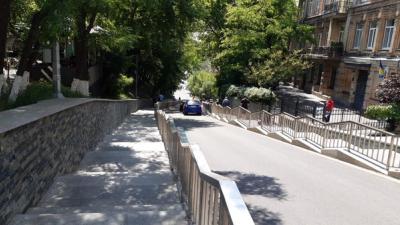
Kruhlouniversytetska is a quiet, green, S-shaped pocket between Bessarabska Square and the government quarter, its 19th-century engineering — a gentle curve softening the Lypky hillside — still shaping how it feels to walk today. Residents reach Khreshchatyk, Maidan Nezalezhnosti and several metro stations in minutes, yet the street itself carries little through-traffic. Low- and mid-rise historic houses with internal courtyards give it an intimate, residential grain, complemented by boutique-scale new builds like the Krauss Gallery complex at 5-7. Some buildings, including 2/1B and No. 7, now operate as business centres serving law firms and consultancies drawn by the quiet, central address near Bessarabsky Market and Arena City. Compared to neighbouring Bankova — dominated by the Presidential Office, the House with Chimeras and heavy security — Kruhlouniversytetska feels far more residential and low-key; compared to Liuteranska, with its church and busier flow toward Khreshchatyk, it reads as the discreet back street of Lypky.
Landmarks
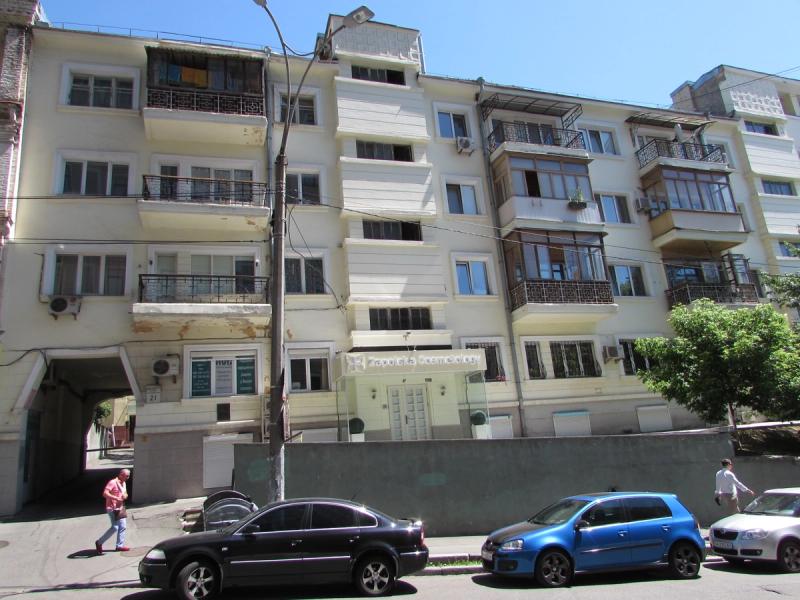
No. 2/1
Militseika
A 1920s post-constructivist residential block built for militsia staff, designed by architect Pavlo Savich, at the corner with Kruty Uzviz. Recognized as an example of the style.
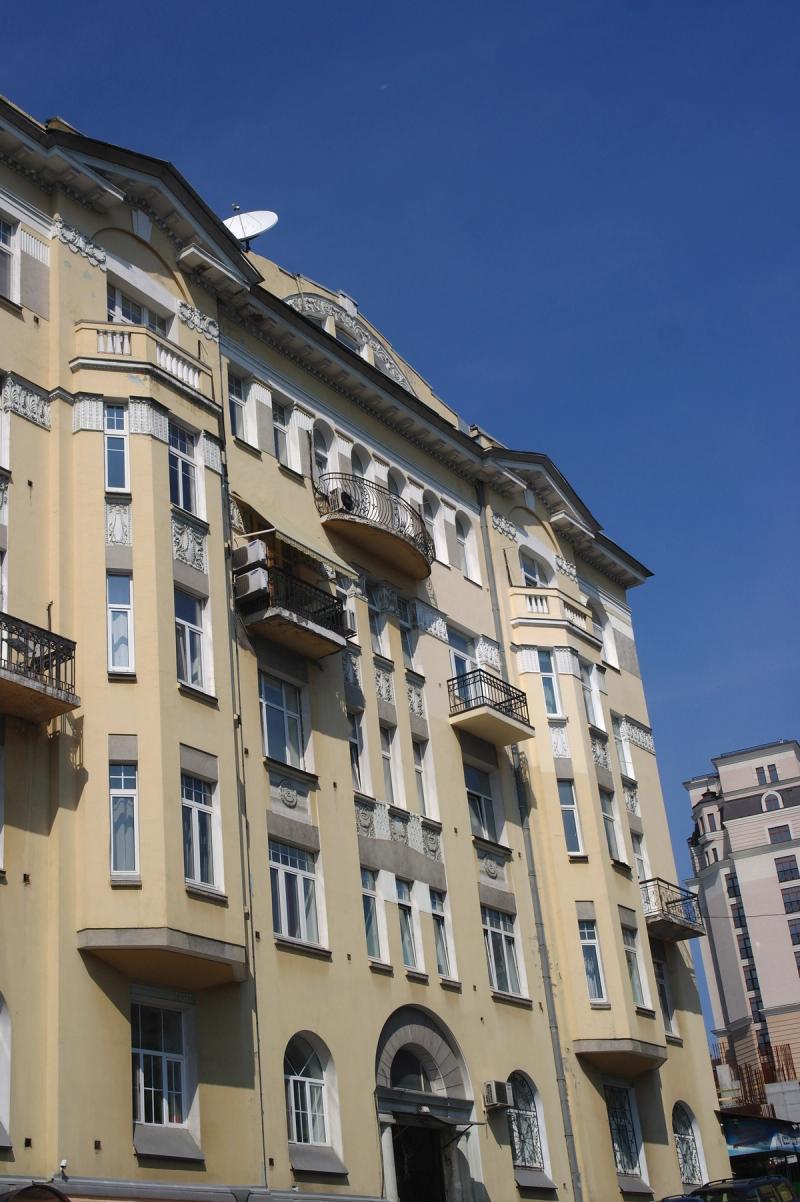
Nos. 7 & 12
Houses No. 7 and No. 12
Early-20th-century listed income houses exemplifying Lypky's surviving pre-revolutionary stone housing stock.
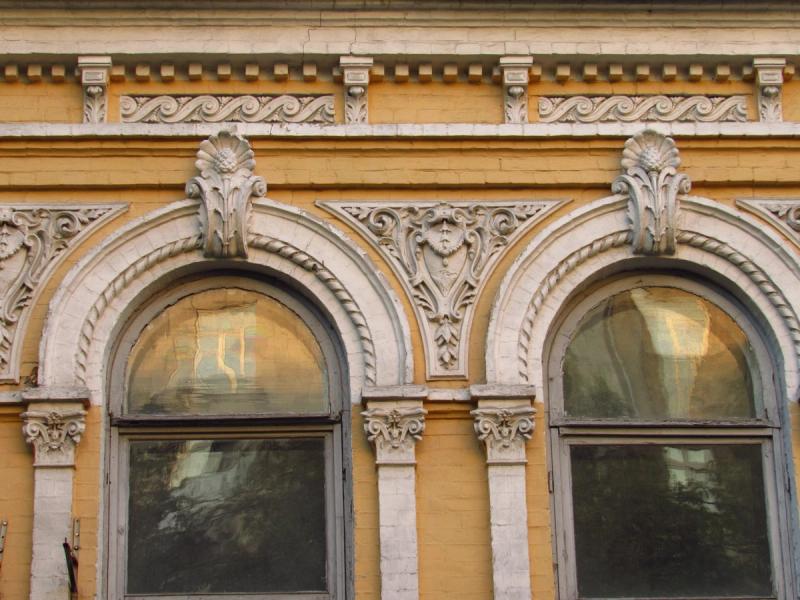
No. 16
House No. 16
A two-storey brick house built 1892-1893, a protected monument of urban planning that fits the street's steep topography. Currently stands empty.
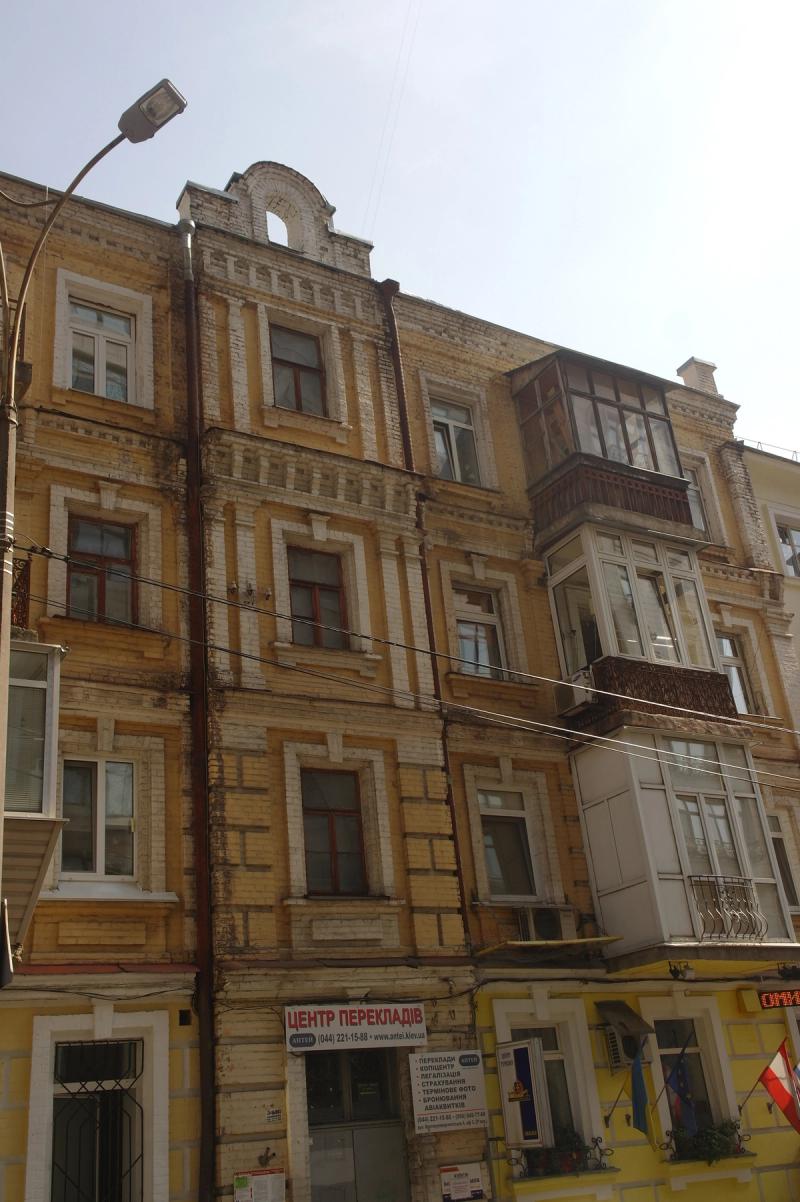
No. 4
House No. 4 (Fedir Ernst House)
An income house where art historian and preservationist Fedir Ernst lived, part of the street's cultural pedigree.
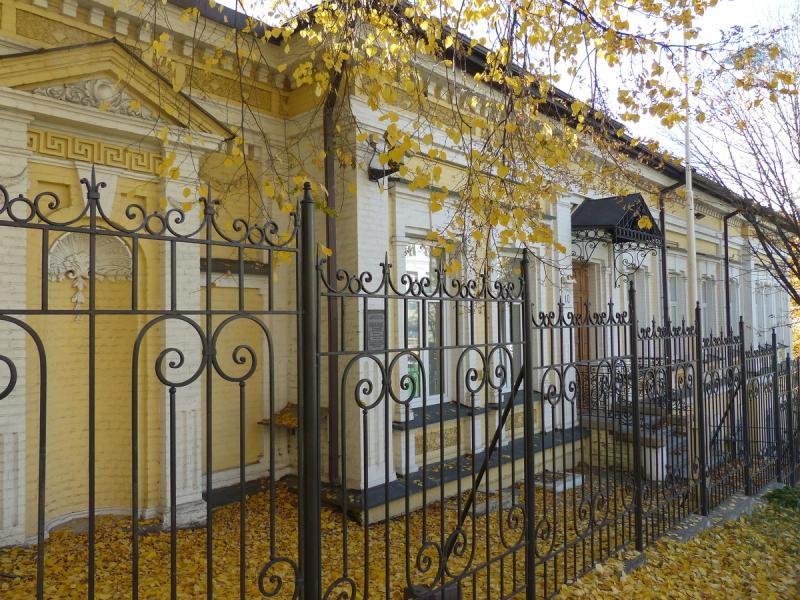
No. 10
House No. 10
Once home to the Polish experimental theatre “Studio,” led by actress and director Stefania Wysocka, where writer Jarosław Iwaszkiewicz worked.
Sights & Places
Cafes
- Espresso
- Aroma Kava (Baseina 15)
- ONE LOVE Coffee (PinchukArtCentre)
Restaurants
- Gastro Family Market
- Arena City restaurant cluster
Gallerys
- PinchukArtCentre
Theaters
- Ivan Franko National Drama Theatre
Parks
- Mariinsky Park
Landmarks
- House with Chimeras (Horodetsky House)
Shops
- Gulliver
Markets
- Bessarabsky Market
Properties
Available on Kruhlouniversytetska
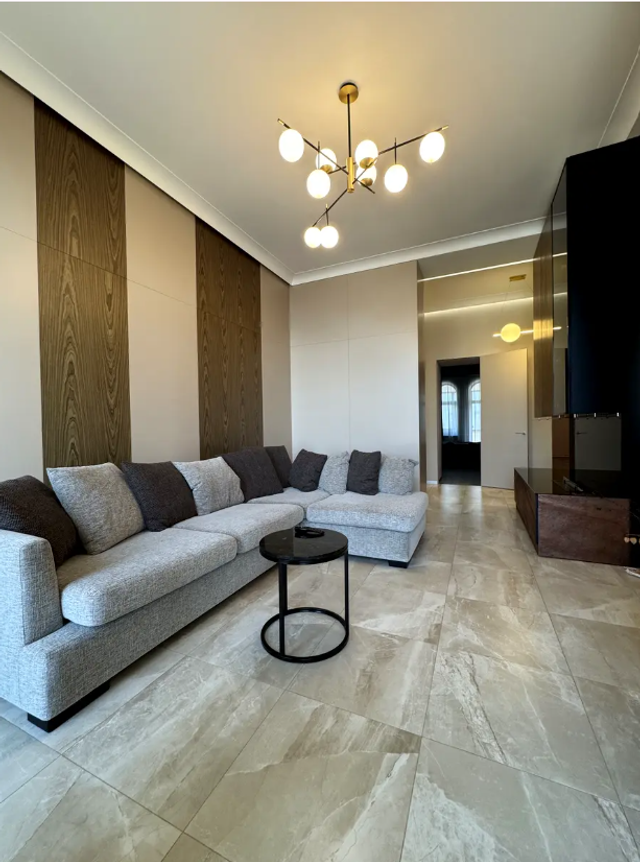
KRUHLOUNIVERSYTETSKA ST., 14
141 sq.m · Fl. 7/9 · 3 Bdr
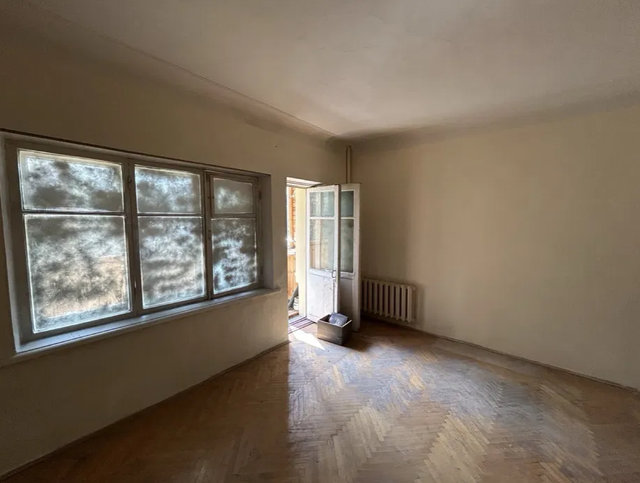
KRUHLOUNIVERSYTETSKA ST., 2/1
54 sq.m · Fl. 3/5 · 2 Bdr
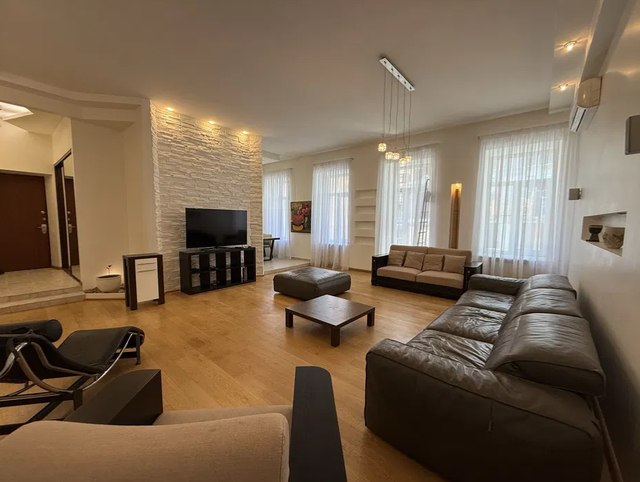
KRUHLOUNIVERSYTETSKA ST., 6
123 sq.m · Fl. 3/3 · 4 Bdr
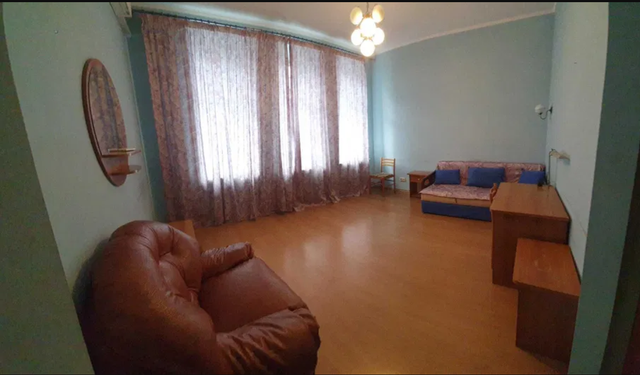
KRUHLOUNIVERSYTETSKA ST., 7
136 sq.m · Fl. 2/5 · 5 Bdr
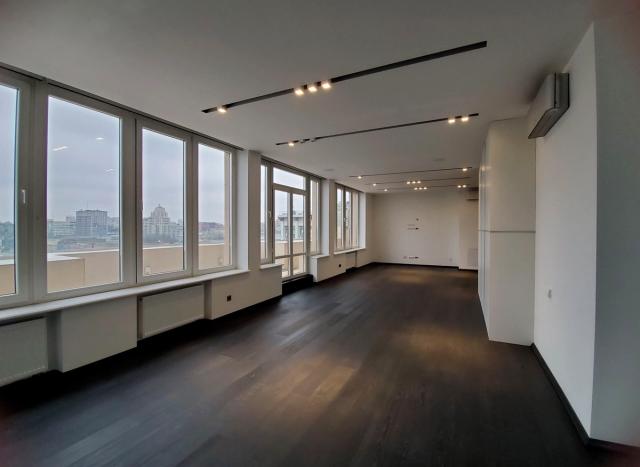 Exclusive
KRUGLOUNIVERSYTETS’KA ST. 3-5
315 sq.m · Fl. 12/13 · 3 Bdr
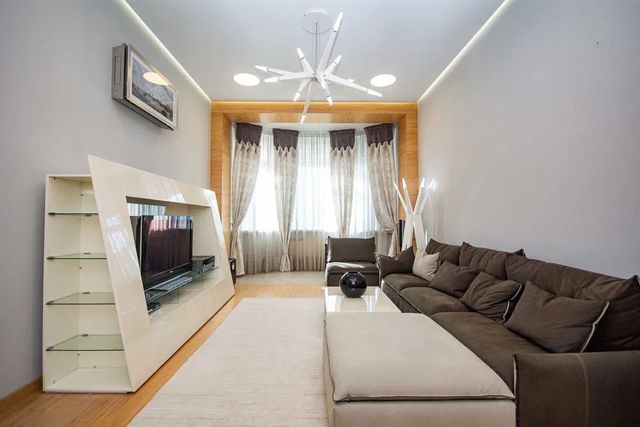
KRUHLOUNIVERSYTETSKA ST., 7
123 sq.m · Fl. 4/5 · 2 Bdr
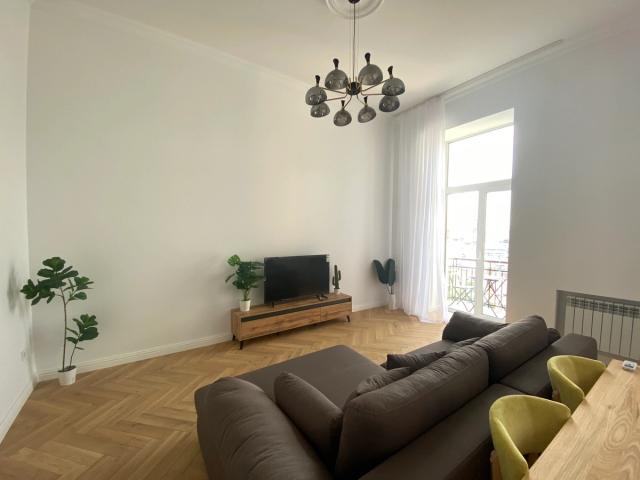 Rented
 KRUHLOUNIVERSYTETSKA STR. 14
56 sq.m · Fl. 5/7 · 1 Bdr
Why invest here
Demand here starts with location: Khreshchatyk, Maidan Nezalezhnosti, Bessarabska Square and metro stations Khreshchatyk, Palats Sportu and Teatralna are all a short walk away, while the street itself stays calm and well-guarded — a rare combination this close to the centre. Lypky's diplomatic and governmental density adds prestige: embassies and foreign missions cluster nearby on Instytutska and around Bessarabska, and that elite profile spills over onto Kruhlouniversytetska's listings. Apartments here tend to be large and high-ceilinged, with multiple bedrooms and bathrooms, terraces, concierge service and controlled parking — stock aimed at senior officials, top managers and professionals who want proximity to both the CBD and the government quarter without living on top of it. Typical tenants are high-income local professionals, diplomatic staff and executives at nearby ministries or business centres like Gulliver and Arena City. Protected historic status and a genuinely rare surviving stretch of pre-revolutionary Lypky housing make the limited stock here difficult to replace.
Related Streets
Interested in a property on this street?
We know which buildings on this street are worth owning, and which aren't. Tell us what you're looking for.
Get in touch