
Kyiv · Historic Centre
Ivana Franka
History
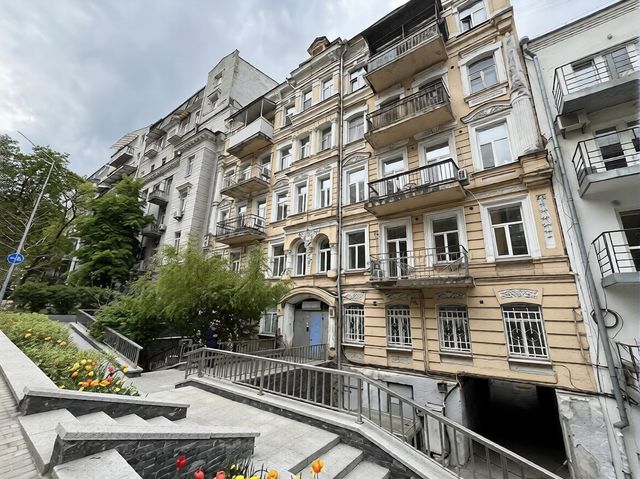
Ivana Franka took its current shape in the second half of the 19th century, when two older streets — Afanasiivska and Nestorivska — were merged over the old Afanasiivsky ravine. Unified as Nesterivska in 1889, it was renamed for Ivan Franko in 1926, on the tenth anniversary of the writer’s death, and took its current form in 1944. Nearly every building between No. 1 and No. 46 dates from the second half of the 19th century through the first third of the 20th, giving the street one of central Kyiv’s more continuous late-tsarist streetscapes. The 1897 mansion at No. 4, by architect Andriy-Ferdinand Krauss, and the mansions at Nos. 28 and 42 are officially listed architectural monuments. Past residents read like a cross-section of the era’s cultural and scientific life: composer Bohumil Voyachek at No. 18, historian Volodymyr Ikonnikov at No. 31, writer Konstantin Paustovsky at No. 33 in 1918–1919. Mykola Murashko’s drawing school — an important art academy in its day — operated near the site of No. 19 in the early 1880s.
Character
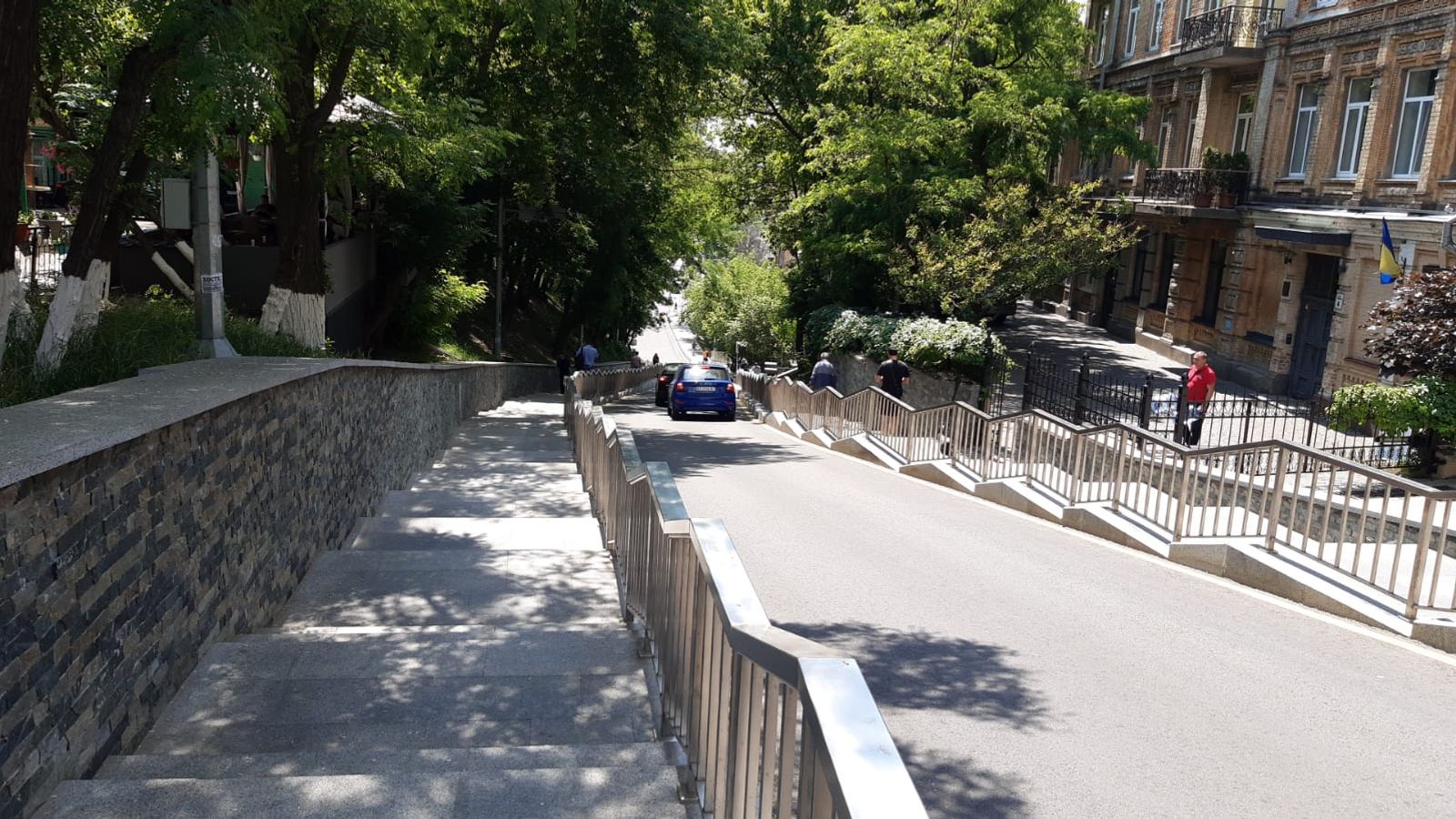
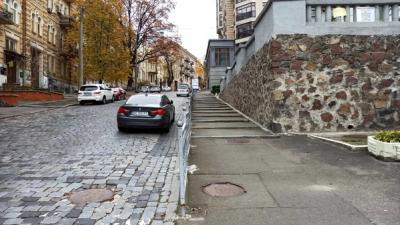
Local agencies rank Ivana Franka among the best streets in Kyiv for living and investing, and the reason is its rare combination: dead-central location with a quieter, greener feel than the traffic-heavy streets around it. Recent renovation brought restored pavements, bike paths and more trees, and the ground floor runs to cafés and wine bars rather than chain retail — For Friends, Pure & Naive, Breakfast Club. Compared with Bohdana Khmelnytskoho or Volodymyrska, both heavier with traffic and office frontage, Ivana Franka reads smaller-scale and more residential, with the Austrian and Swedish embassies and the Ministry of Culture giving it institutional weight without the noise. A street-art detour at the corner of No. 12 and Viacheslava Lypynskoho adds a creative, slightly bohemian note, and the street runs down toward Shevchenko Park and the Fomin Botanical Garden, putting two of the centre’s best green spaces within five minutes on foot.
Landmarks
No. 4
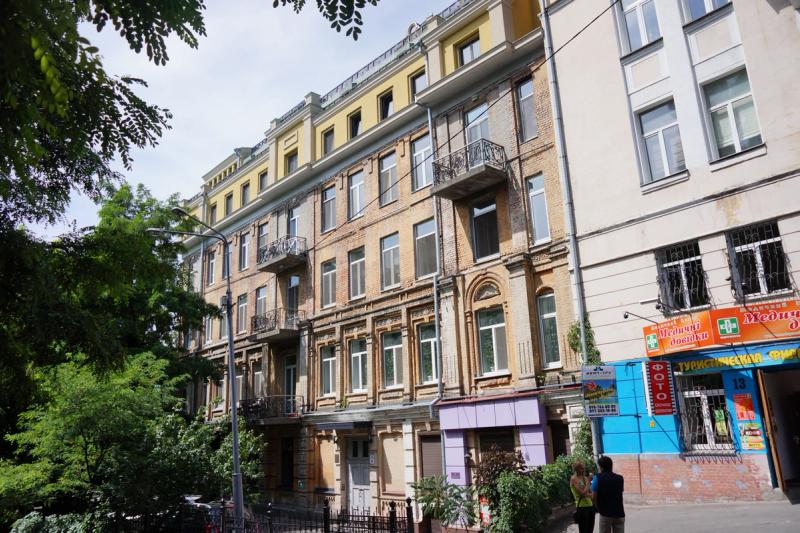
Mansion at No. 4
A 1897 mansion by architect Andriy-Ferdinand Krauss, one of the street’s officially listed architectural monuments. Refined Neo-Renaissance detailing typical of Krauss’s Kyiv work.
No. 4b
Ambassador House
A modern premium residential complex built into the historic streetscape, marketed on the address’s diplomatic pedigree — underground parking and high-end finishes aimed at expat and investor buyers.
No. 19
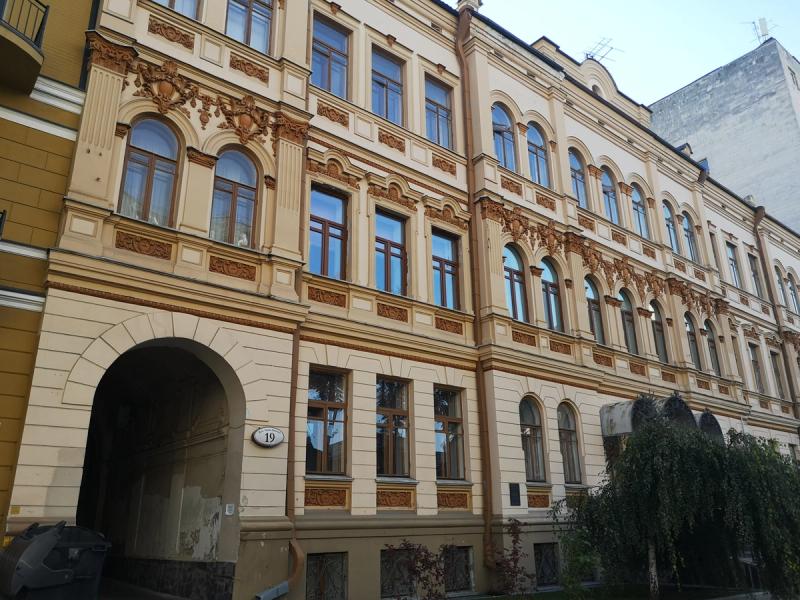
Ministry of Culture Building
A late-19th/early-20th-century apartment house, now home to Ukraine’s Ministry of Culture and Information Policy. The site once held Mykola Murashko’s drawing school, an important 1880s art academy.
No. 28 & No. 42
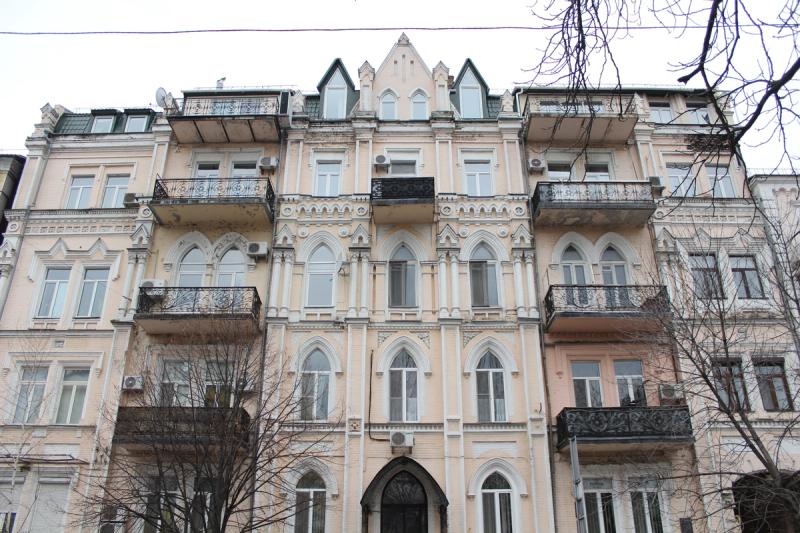
Mansions at Nos. 28 and 42
Two late-19th-century listed mansions that anchor the street’s most intact stretch of pre-revolutionary residential architecture.
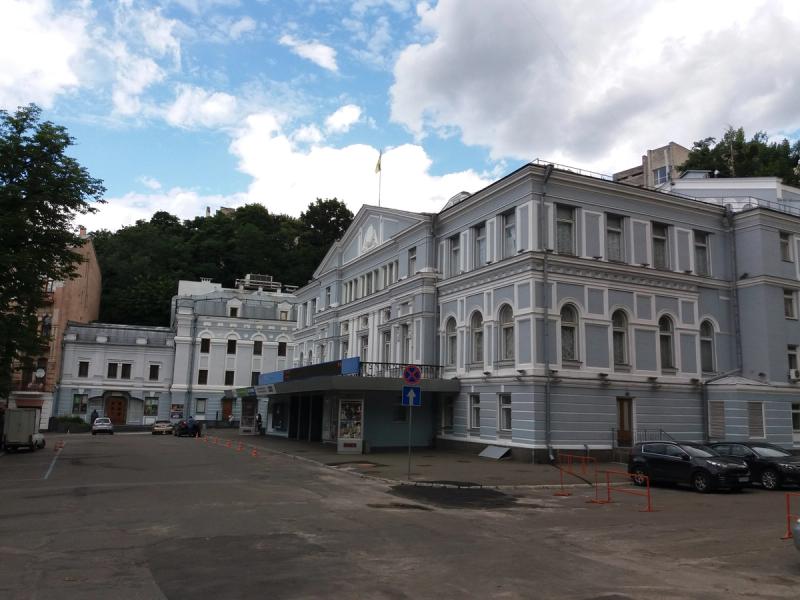
Ivana Franka Square, 3
Ivan Franko National Academic Drama Theatre
Kyiv’s leading drama theatre, founded 1920 in an 1898 building at the foot of the street. A major cultural landmark a short walk from most of the street’s addresses.
Sights & Places
Cafes
- FRANKLY
- Breakfast Club
- For Friends
Restaurants
- Pure & Naive Wine Bar + Bistro
Bars
- HYPE Bar
- For Friends
Gallerys
- Rural Scene Mural
Theaters
- Ivan Franko National Academic Drama Theatre
Museums
- Greenhouses of the Fomin Botanical Garden
Parks
- Fomin Botanical Garden
- Taras Shevchenko Park
- Ivana Franka Square
Shops
- UKRTAC
Properties
Available on Ivana Franka
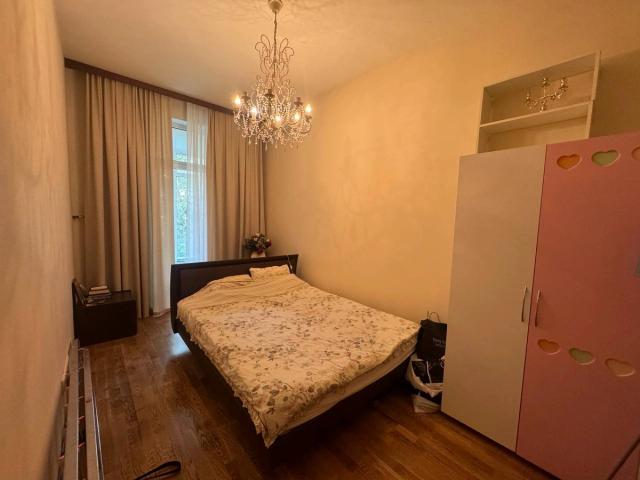
IVANA FRANKA ST., 22/24
79 sq.m · Fl. 5/6 · 3 Bdr
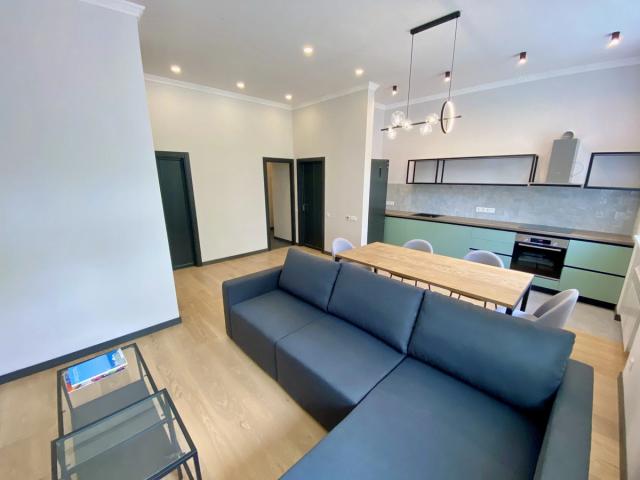 Exclusive
IVANA FRANKA, 9
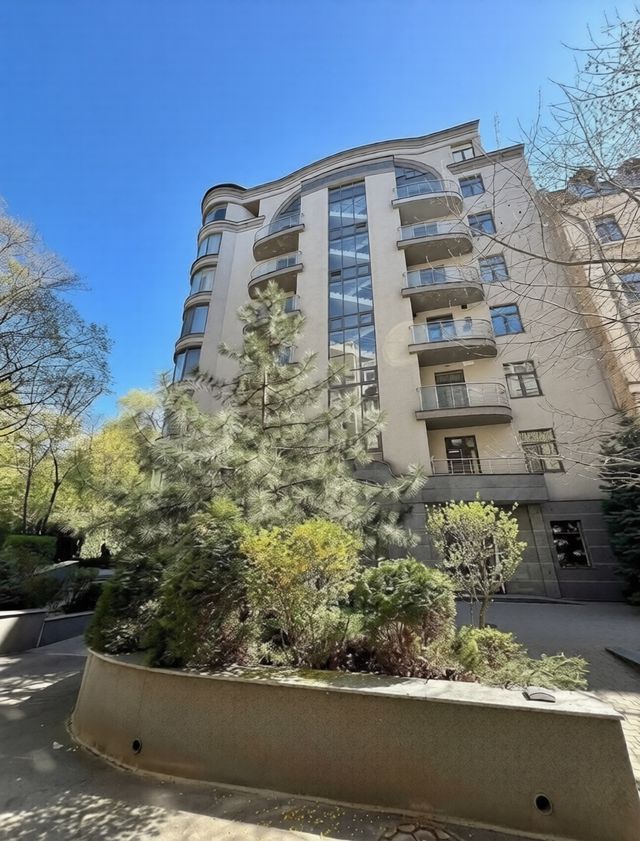
IVANA FRANKA ST., 11
177 sq.m · Fl. 7/7 · 3 Bdr
IVANA FRANKA ST., 20
68 sq.m · Fl. 4/5 · 2 Bdr
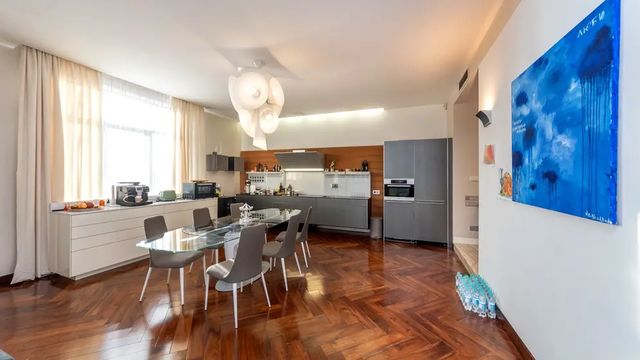
IVANA FRANKA ST., 4B
200 sq.m · Fl. 9/12 · 3 Bdr
 Rented
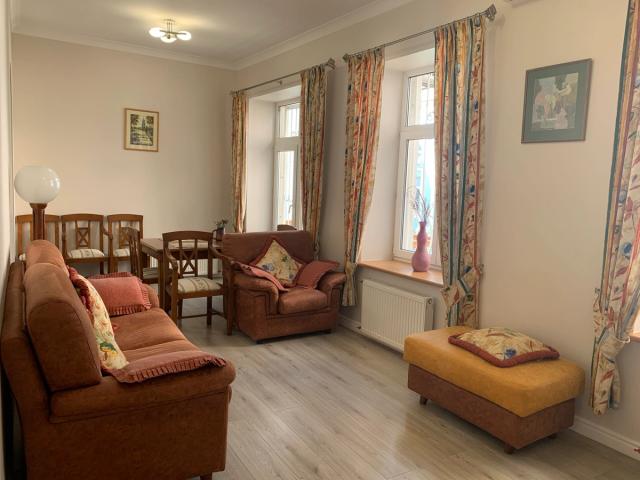
 IVANA FRANKA STR. 40
56 sq.m · Fl. 2/4 · 1 Bdr
 Rented
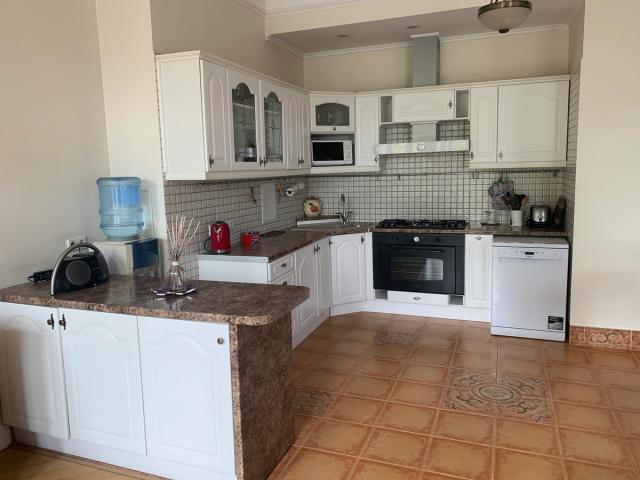
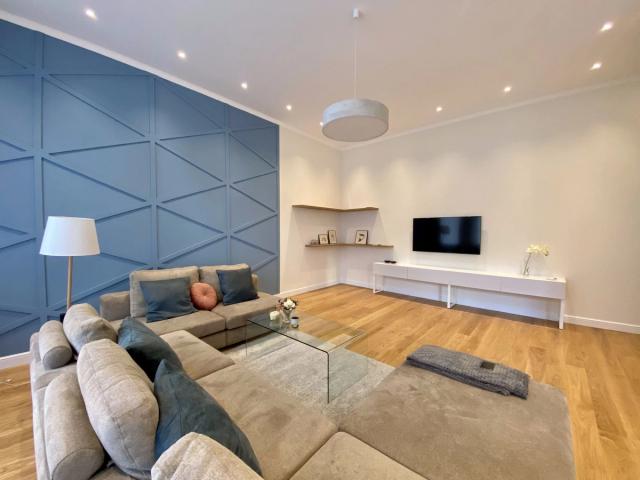
 IVANA FRANKA STR. 40
165 sq.m · Fl. 2/4 · 2 Bdr
 Rented
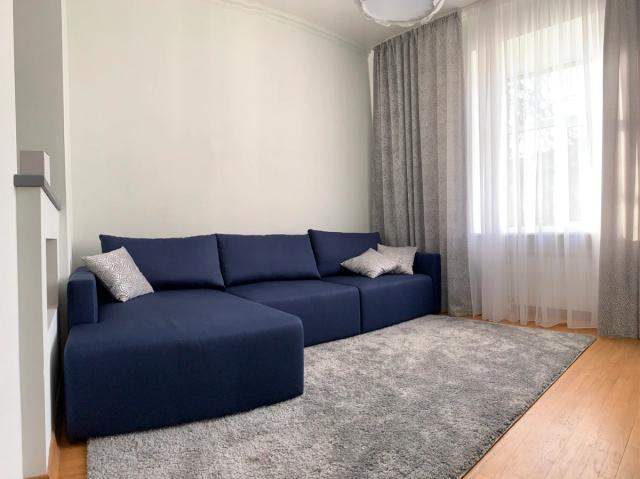
 IVANA FRANKA ST.,25/40
100 sq.m · Fl. 3/4 · 2 Bdr
 Rented
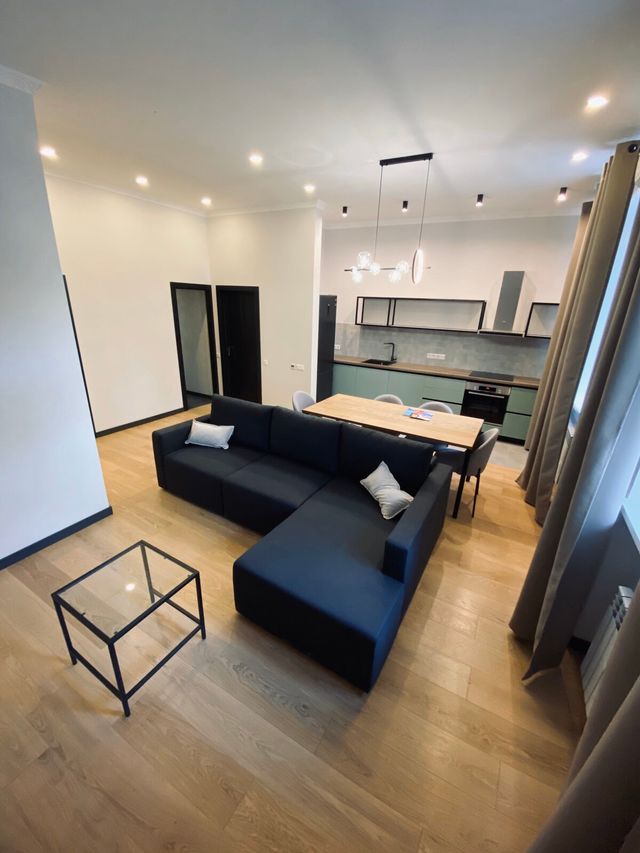
 IVANA FRANKA, STR. 9
61 sq.m · Fl. 2/6 · 1 Bdr
 Rented
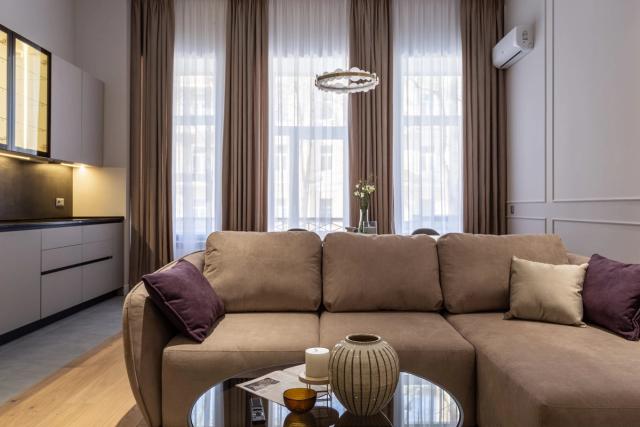
 IVANA FRANKA STR., 9
61 sq.m · Fl. 2/6 · 1 Bdr
 Rented
 IVANA FRANKA ST.25/40
100 sq.m · Fl. 2/4 · 2 Bdr
 Rented
 IVANA FRANKA ST., 20B
80 sq.m · Fl. 2/6 · 2 Bdr
Why invest here
Local agencies list Ivana Franka as their top pick for both living and investing in Kyiv, citing steady liquidity — one agency reports selling or renting around ten apartments on the street alone. Demand runs on three overlapping groups: diplomats and cultural officials drawn by the Austrian and Swedish embassies and the Ministry of Culture at No. 19; academic staff and students tied to Taras Shevchenko University, whose main campus sits directly across Shevchenko Park; and international professionals working at the Leonardo Business Center or drawn by proximity to the German Embassy on neighbouring Bohdana Khmelnytskoho. What separates the street from busier central addresses like Khreshchatyk is that it stays genuinely residential and non-touristy while sitting minutes from Golden Gate, Maidan and three metro stations — Zoloti Vorota, Universytet, Teatralna. Add two major parks within a five-minute walk, and it’s a street that holds long-term demand even when the wider market is volatile.
Related Streets
From the blog
Reading on Ivana Franka.
Blog
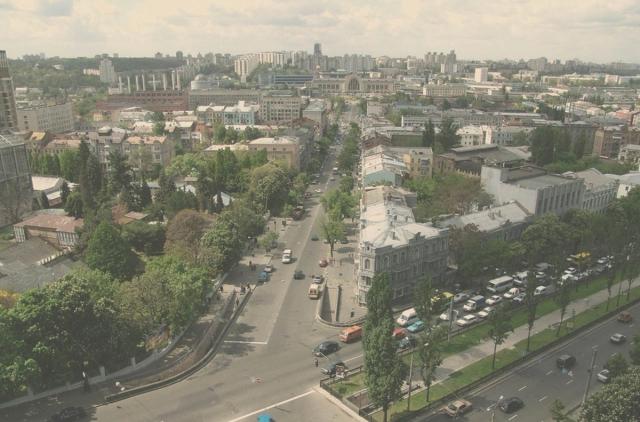
Top-5 Streets For Living And Investing In Kyiv
Kyiv is rich in picturesque historic streets in the very center that are ideal for investing and living. We took a poll among Vestor.Estate employees and…
March 2021
Read more →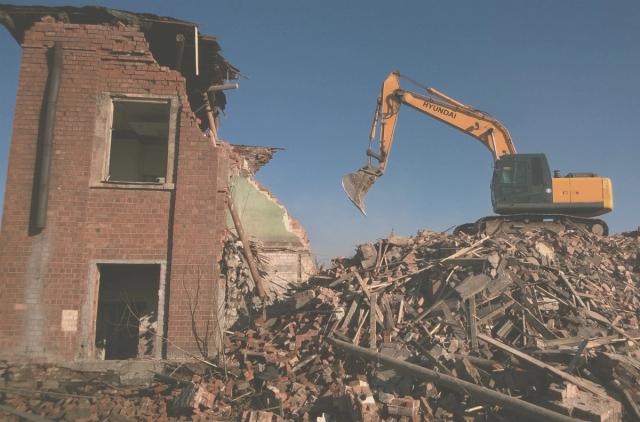
Blog
How Long Will Your Building Be Standing? Revealing The Real Lifespan Of Ukrainian Buildings
Every day we wake up and see how quickly new buildings are going up, like weeds popping up through cracks in the sidewalk. While these new buildings continue…
April 2021
Read more →
Blog
Relocation to Kyiv: A Short Guide
What could be better in the world than traveling? Put your life in a small suitcase, grab your favorite gadgets and go on a long voyage, like a glorious uncle…
April 2021
Read more →Interested in a property on this street?
We know which buildings on this street are worth owning, and which aren't. Tell us what you're looking for.
Get in touch